
Top 10 Essential Volleyball Skills for Players
By Caleb Vasquez · · 4 min read
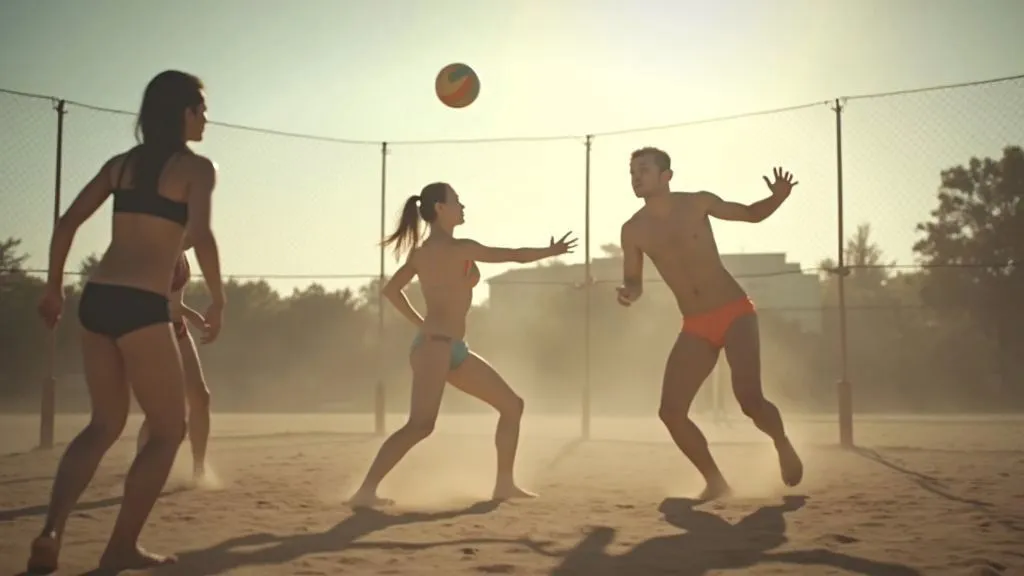
Mastering volleyball requires a blend of physical ability, mental acuity, and technical skills. While each player has their strengths, certain fundamental skills are essential for success regardless of position. Whether you are just starting or looking to elevate your game, understanding these key volleyball skills will significantly enhance your performance.
1. Serving
Serving is the first action in volleyball and sets the tone for the entire rally. A powerful and accurate serve can put immediate pressure on the opposing team.
Types of Serves
- Underhand Serve: A straightforward method suitable for beginners, allowing for greater control.
- Overhand Serve: More powerful and dynamic, used to hit the ball with speed and precision.
- Jump Serve: An advanced technique that adds height and speed, making it difficult for opponents to receive.
Mastering various serving techniques can diversify your gameplay and surprise your opponents.
2. Passing (Bumping)
Passing is crucial for maintaining possession and setting up attacks. A good pass allows for better offensive opportunities.
Key Techniques
- Forearm Pass: Utilizing the forearms to create a flat surface, it is fundamental for receiving serves and hits.
- Setting: A more advanced pass that allows for an immediate transition to an attack. A set must be accurate to ensure a good offensive play.
The ability to execute clean passes enables teams to build strategic plays and maintain momentum during matches.
3. Setting
Considered one of the most influential skills, setting involves delivering accurate and high-quality balls to attackers. It requires good timing, communication, and quick decision-making.
Essential Components
- Hand Positioning: Properly positioning the hands to control the ball’s trajectory.
- Footwork: Quick adjustments are necessary to reach the ball effectively.
Developing strong setting skills can significantly enhance a team’s offensive capabilities.
4. Attacking (Hitting)
Attacking is all about scoring points. The ability to make effective attacks can determine the outcome of a match.
Effective Hitting Techniques
- Approach: The correct footwork and timing before jumping to hit the ball.
- Arm Swing: Using a powerful and precise arm swing to maximize the speed and angle of the hit.
- Placement: Understanding where to place the ball to exploit gaps in the opponent’s defense.
A well-executed attack can disrupt the opposing team’s strategy and lead to scoring opportunities.
5. Blocking
Blocking is a defensive skill that prevents opponents from obtaining points through their attacks. A solid block can help shift the momentum in your favor.
Blocking Techniques
- Timing: Jumping at the right moment to intercept the ball.
- Hand Positioning: Proper alignment of the hands to create a larger surface area for blocking.
Effective blocking can discourage attacking players and give your team a significant advantage.
6. Digging
Digging is essential for defensive specialists, allowing players to receive powerful attacks from opponents.
Key Skills in Digging
- Low Stance: Maintaining a low center of gravity to react quickly.
- Body Positioning: Positioning the body effectively to absorb the impact of the ball.
Successful digging can prolong rallies and create opportunities for counter-attacks.
7. Floor Defense
Floor defense involves agile movements and quick decisions to successfully retrieve balls that come close to the ground.
Techniques Involved
- Diving: Executing a controlled dive to reach low balls, requiring good body control.
- Rolling: Safely rolling after a dive to minimize injury and recover quickly.
Strong floor defense is vital for keeping the ball in play and maintaining team morale during tumultuous rallies.
8. Communication
While not a technical skill, communication is vital for effective teamwork. The best volleyball teams exhibit excellent communication both on and off the court.
Effective Communication Strategies
- Calling the Ball: Players should vocally indicate who will play the ball to avoid confusion.
- Non-Verbal Cues: Body language and eye contact can convey intentions and facilitate smoother play.
Fostering good communication can significantly improve coordination and overall team performance.
9. Footwork
Proper footwork allows players to position themselves effectively for various volleyball skills. Quick and agile movements are essential for executing techniques flawlessly.
Footwork Drills
- Lateral Movements: These drills enhance side-to-side movement crucial for passing and digging.
- Approach Drills: Practicing the approach for jumping and hitting can refine timing and execution.
Investing time in footwork drills ensures that players are always in the best possible position.
10. Mental Toughness
Mental toughness is an often overlooked aspect of volleyball but is fundamental for peak performance. The ability to stay focused and composed under pressure can distinguish great players from average ones.
Building Mental Toughness
- Visualization: Using mental imagery to prepare for various game scenarios.
- Resilience Training: Learning to cope with setbacks and maintain a positive mindset.
Fostering mental toughness can elevate a player’s performance, especially during high-pressure situations like crucial match points.
| Skill | Description | Importance |
|---|---|---|
| Serving | Initial play that sets the tone. | Critical for gaining an early advantage. |
| Passing | Essential for maintaining possession of the ball. | Facilitates offensive plays. |
| Setting | Accurate delivery of the ball for attackers. | Influences overall team offense. |
| Attacking | Scoring points through offensive plays. | Directly impacts match outcomes. |
| Blocking | Prevents opponents from scoring. | Shifts momentum during rallies. |
| Digging | Receives powerful attacks from opponents. | Prolongs rallies and counter-attacks. |
| Floor Defense | Retrieving balls close to the ground. | Keeps the play alive and maintains morale. |
| Communication | Vital for teamwork and coordination. | Enhances overall team effectiveness. |
| Footwork | Ensures players are positioned correctly. | Allows for effective execution of skills. |
| Mental Toughness | Ability to handle pressure and setbacks. | Key for peak performance during critical moments. |